What is life after cochlear implant surgery really like? For Carole, a bimodal Cochlear™ Nucleus® 8 Sound Processor recipient, it meant rediscovering the sounds and connections she thought she had lost. After years of progressive hearing loss, she made the life-changing decision to receive a cochlear implant and committed herself to hearing rehabilitation. Today, she's enjoying conversations, reconnecting with family and friends, and helping other cochlear implant recipients achieve their own hearing goals through a rehabilitation program she developed from both her personal experience and professional expertise.
A Second Chance to Hear: Carole’s passion to help others with cochlear implants
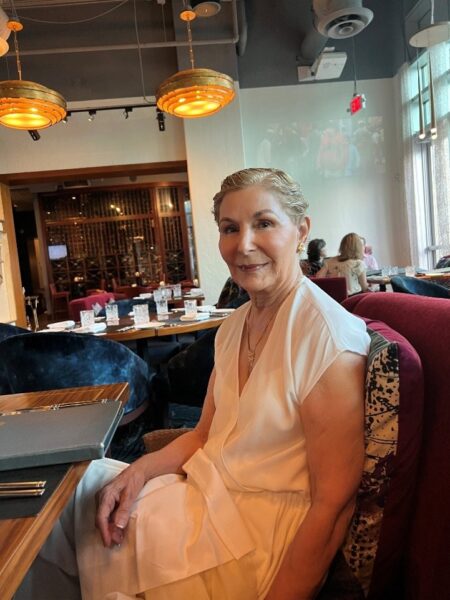
My name is Carole S. and I’m a speech-language pathologist, a certified academic language therapist, and a dyslexia specialist. Throughout my career, communication has been at the heart of everything I do. Helping others develop language and literacy skills has been both my passion and my profession. Yet twenty years ago, I began facing a communication challenge of my own when I started to lose my hearing in both ears.
Making a life-changing decision
At first, hearing aids helped bridge the gap, and whenever advances in technology became available, I invested in a new pair, hoping each improvement would help me stay connected to the world around me. I relied on these devices for years, determined to make the most of the hearing I still had. Despite adapting to new technology, my hearing continued to decline. Eventually, I was left with only 6% hearing in my right ear and 19% in my left.
The loss happened gradually, but its impact was profound. Conversations became increasingly difficult. Social situations required more effort and concentration. Little by little, I found myself becoming more isolated from the sounds, people, and experiences that had always brought joy and meaning to my life. I knew I needed a cochlear implant, but I was terrified.
Finally, I made the decision to move forward. I chose a surgeon with years of experience and placed my trust in his expertise. On January 7, 2025, I underwent cochlear implant surgery. It was a leap of faith that would ultimately change my life.
To my relief, the procedure itself was far easier than I had imagined. I didn’t experience any pain after the surgery. I waited two weeks for the surgical site to heal before meeting with my audiologist to have the magnet and sound processor attached. I selected the Nucleus 8 Sound Processor because I’d heard that it provided the best sound quality, and I wanted every possible advantage as I began this new chapter.
Planning to succeed with hearing rehabilitation
Long before my surgery, I had been preparing in another way. As both a clinician and a patient, I searched extensively online for a comprehensive treatment program that would help cochlear implant recipients achieve the best possible outcomes. To my surprise, I could not find a complete, integrated program that met my needs.
Rather than accept the absence of such a resource, I decided to create one myself.
Drawing upon my professional background and my personal determination to succeed, I began developing a structured program designed to maximize listening outcomes after implantation. My goal was simple: to give myself the very best chance for success.
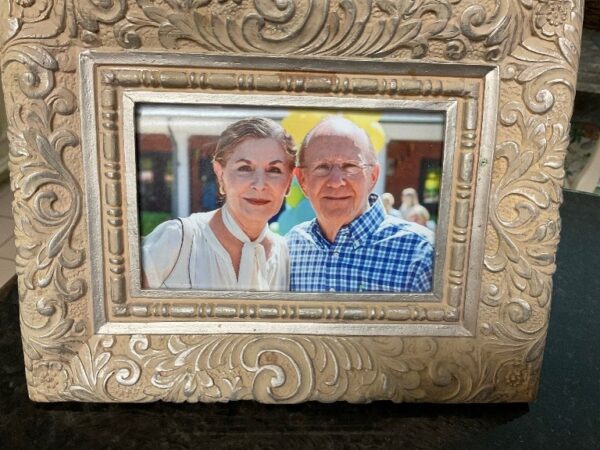
Enjoying life again with great hearing outcomes
The results exceeded my expectations. By just three months after activation, my hearing had reached 85%. Today, I function successfully in most listening situations. The only environment that remains challenging is a very noisy restaurant, where I wear a compatible ReSound hearing aid1 for additional support.
The transformation has been remarkable. After years of progressive hearing loss, I am thrilled with my cochlear implant. It has given me back so much of what I feared I was losing. A bonus is that my hair covers the implant, so most people never even realize I am wearing it.
Helping others with cochlear implants reach their hearing goals
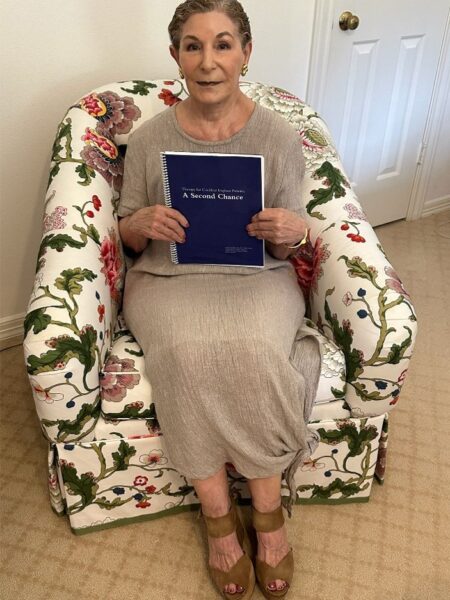
As my progress continued, I realized that the program I had created could potentially benefit others facing the same journey. I had the materials professionally typed, formatted, and organized into a manual, complete with space at the bottom of each lesson for personal notes and observations. The lessons involve a loved one delivering each task to the person with hearing loss or a cochlear implant who is practicing their listening. The manual includes 25 consonant lessons, 5 short-vowel lessons, and 5 long-vowel lessons. I named it Therapy for Cochlear Implant Patients: A Second Chance.
The title is meaningful because that is exactly what my cochlear implant has given me: a second chance. A second chance to hear conversations clearly. A second chance to participate fully in the activities I love. A second chance to stay connected to the people who matter most.
Most importantly, it has inspired me to help others discover what may be possible on their own hearing journey. If my experience can give someone the confidence to take the next step, then sharing it is worthwhile.
Today, I enjoy exercising at our health club, listening to music, playing bridge, watching baseball and football, reading, and spending time with friends and family. These everyday moments may seem simple, but to me they are a reminder of how much hearing enriches our lives and how grateful I am for this second chance.
Are you interested in learning more about Carole’s hearing rehabilitation program? You can reach out to her at 713-666-0228 to learn more about the program, including enrollment and program fees2, and to get started today. You can also visit our Rehabilitation Resources website for more tips and tricks on listening practice.
Click hereto learn more about Cochlear’s bimodal34 hearing solutions.
- ReSound is a trademark of GN Hearing A/S.
- The program is independently owned and operated by Carole and is not a Cochlear product or service. Cochlear does not endorse or make any representations regarding the program or its outcomes.
- For compatibility information and devices visit www.cochlear.com/compatibility and www.resound.com/compatibility
- For information regarding the compatibility of Cochlear’s Sound Processors with Apple or Android devices, visit www.cochlear.com/compatibility
