Gene built a career depending on sound in the theatre, film and live entertainment industries. Later in life hearing loss made it difficult to do his job, and when hearing aids were no longer providing any benefit, he turned to a cochlear implant. That decision helped him reconnect with sound and continue a career as professor staying close to the theatre community. Read more about his experience below:
“I became a stage manager after ten years of performing in motion pictures, television and musical theatre. Part of my duties involved calling show cues for a two-hour performance ten times a week. This continued for over six years.
During the 1970s, technology was limited in noise reduction for the headsets I wore. Often, I experienced headaches due to the sudden sounds from crew members who would blast deafening noises directly into my ears or leave their microphones on for long periods. Performers were sometimes in flying harnesses, and I ensured that all safety steps were taken before, during and after the flying. I could not take off the headset or silence the mics on the other end. I did not realize the damage this was causing to my hearing at the time.
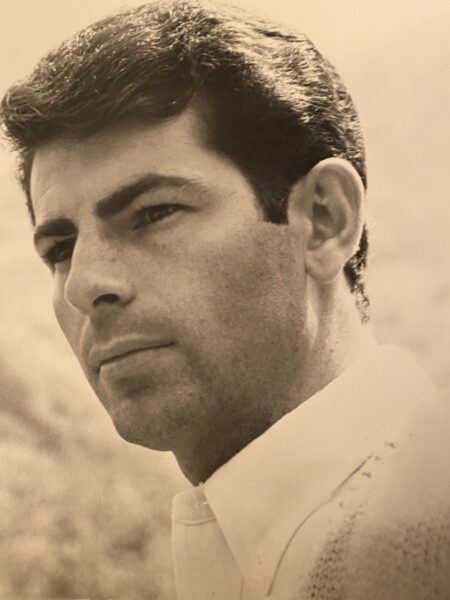
When hearing loss became impossible to ignore
I then joined a theme park as the entertainment and special events manager. Before long, I began to experience issues with hearing during events due to the ambient noise. It became increasingly challenging to keep up with what was happening.
During a 360-degree performance review with my team, I was informed that I was not listening and continuously asked staff members to repeat themselves. The facilitator interjected, ‘Is it possible he cannot hear?’ This realization was both shocking and a wake-up call.
I went for an examination and was told my hearing resembled that of someone who had been exposed to loud sounds without ear protection, and I had a significant amount of hearing loss. Hearing aids were prescribed, but they only provided limited help.
Adjusting expectations – and roles
My duties and responsibilities shifted to allow for more one-on-one interactions with individuals, moving away from loud, crowded environments. As part of my role, I successfully recruited new management and was invited by the local university to serve as an adjunct professor. This position was very fulfilling for several years, but it became increasingly complex to hear the students, which was frustrating for them and even more so for me. I decided to step back from teaching. In the meantime, I retired from the large entertainment company and took on a leadership role in a non-profit theatre company. Everyone was aware of my challenges and was highly accommodating.
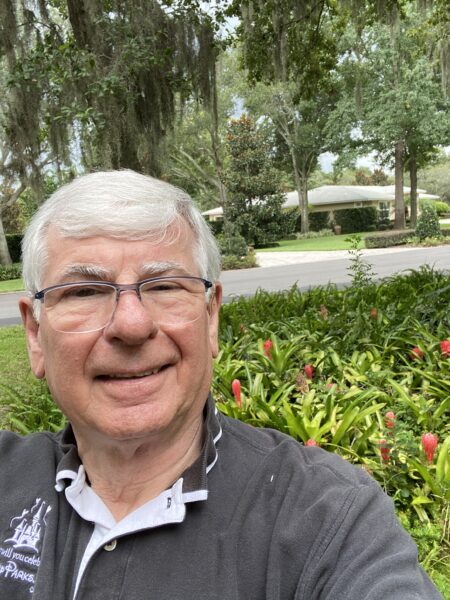 Choosing a cochlear implant
My audiologist suggested that I consider a cochlear implant and strongly recommended Cochlear. Since my right ear was only good for holding my eyeglasses and no longer had much hearing, I thought I had a lot to gain and nothing to lose.
After many tests and discussions, the more I learned, the more excited I became. We proceeded with the surgery, and I was delighted with the results. It took a while to adjust, but the university requested I consider returning to teaching once I could navigate. The classroom and the non-profit theatre benefited from my decades of experience until I retired.
Upgrading technology, gaining confidence
In my research on which brand and type of implant to use, the information about the Cochlear® Nucleus® System was readily available and easy to understand. Looking back, I quickly made my decision and proceeded in that direction.
I recently upgraded to the Nucleus 8 Sound Processor. Looking back over the years, I hated speaking on my cell phone, but with Bluetooth® and direct streaming abilities, it provides the best quality sound I have experienced in quite some time. I still have a hearing aid in my left ear, and I am considering replacing it with a matching Nucleus 8 Sound Processor as a bilateral cochlear implant recipient.”
If hearing loss is affecting your life and career like with Gene, explore hearing solutions like a cochlear implant and find resources to help support and guide your next steps.
1- The Bluetooth® word mark and logos are registered trademarks owned by Bluetooth SIG, Inc. and any use of such marks by Cochlear is under license.