Cochlear ended service and support of the Nucleus® 7 Sound Processor on January 31, 2026. We’re here to help you understand the process and the steps you need to take. We remain committed to helping you achieve your best hearing experience over the course of your lifetime.
What does end of service and support mean?
As of January 31, 2026, recipients in the US are no longer able to:
- Purchase parts and accessories for Nucleus 7 Sound Processors or
- Repair out-of-warranty Nucleus 7 Sound Processors.
Exceptions are for recipients with:
- A Nucleus CI22M cochlear implant or
- An insurance plan1
I have a Nucleus 7 Sound Processor. What do I need to do?
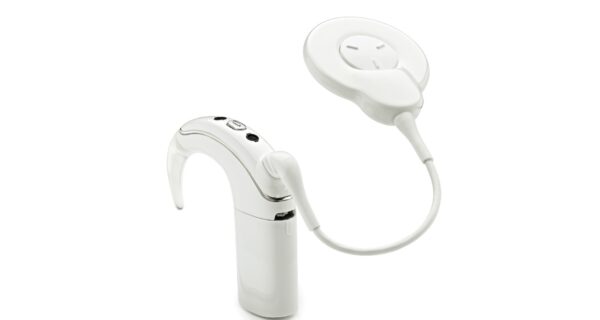
Are you experiencing performance issues with your sound processor? For example, is your coil frayed, or have you noticed reduced sound quality in conversation? This may be a good time to start thinking about a replacement sound processor. Please note that you will be unable to upgrade your sound processor while your current device is still under warranty. If your sound processor remains under warranty after January 31, 2026, Cochlear will honor your warranty and repair your sound processor if needed until the warranty expires.
Is your current Nucleus 7 Sound Processor in good working order? Signs that your sound processor is still in good order are the coils and cables have strong connection to the sound processor and are not fraying, and the battery life has not changed. If this is the case, you do not need to do anything at this time. However, if you have an issue in the future, you will not be able to repair your sound processor or order replacement parts after your warranty ends. You may want to learn more about our latest sound processors and prepare for a medically necessary upgrade.
How can I prepare to upgrade to a Nucleus 8 Sound Processor?
Staying in touch with your clinic is a key part of planning for an upgrade. Even a short check-in or virtual visit can help keep your records current and make the process go smoothly.
Most commercial insurance plans require:
- A clinic visit within the last 24 months when you submit an upgrade order, and
- Notes that explain why an upgrade is needed (see section below).
Your insurance carrier looks for documentation showing one or more of the following:
- Your current sound processor is not fully functioning. For example, it does not power on or parts are broken.
- You are an experiencing a reduction in performance, such as reduced battery life or intermittent hearing.
- Your daily activities are affected. For example, you’re having trouble hearing in a vehicle, on phone calls, or in group discussions.
Regular contact with your clinic helps ensure this information is clearly documented.

Am I eligible to upgrade my sound processor?
You may be eligible, based on your insurance2 and your implant type, to replace your device.
To verify your sound processor’s age and warranty status, log in or activate your Cochlear Family account.
We recommend calling your insurance company to understand your specific benefits and requirements. Check out our insurance resource webpage to help you navigate the insurance process.
If you are currently insured by Medicare3 or Medicaid4: Cochlear will continue to provide repairs and support for your sound processor until it is out of warranty and has reached five years “useful life.” Medicare and certain Medicaid plans define “useful life” as five years of continuous use. After your sound processor reaches five years of “useful life,” we will no longer be able to provide repairs and support for your sound processor.
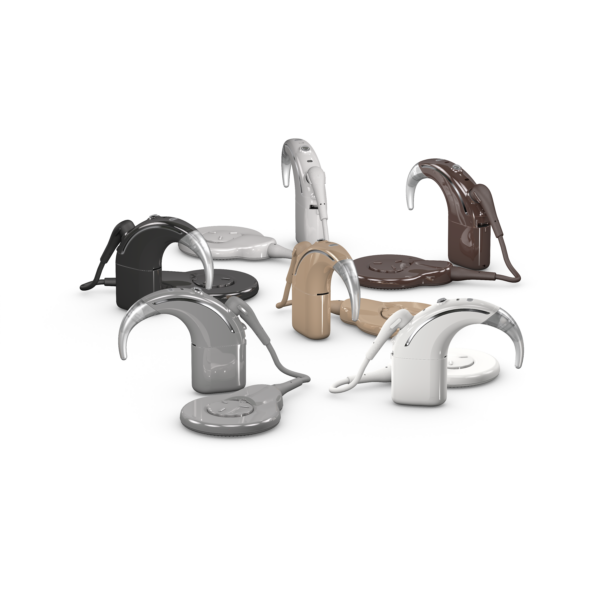
I have a Nucleus CI22M cochlear implant. How does this affect me?
Cochlear is committed to supporting all our recipients as we continue to deliver advances in technology. While we are always investing in research and innovation, we do not yet have a next-generation sound processor available for the Nucleus CI22M cochlear implant. Therefore, Cochlear will continue to keep you in sound until next-generation technology is available. This means that, even after January 31, 2026, you can continue to:
- Get a repair for your Nucleus 7 Sound Processor should it become damaged.
- Receive a sound processor replacement should your Nucleus 7 Sound Processor become lost or stolen.
- Upgrade to a Nucleus 7 Sound Processor if you currently wear a Nucleus 6 Sound Processor or an earlier model.
- Purchase parts and accessories for your Nucleus 7 Sound Processor as needed.
Why does Cochlear end service and support of sound processors?
Cochlear is dedicated to supporting recipients for a lifetime, which means continuously improving our products and services. The decision to phase out production and support of aging technology is made carefully and considers multiple factors. When we have made this decision in the past, our goal has been the same: to provide better hearing experiences.
We are confident that the Nucleus 8 Sound Processor has strong benefits for recipients with compatible implants. With ForwardFocus,5 the Nucleus 8 Sound Processor powerfully reduces unwanted background noise to help you hear face-to-face conversations more clearly.6 And it comes highly recommended from our recipients—9 in 10 Nucleus 7 Sound Processor users who upgraded to the Nucleus 8 Sound Processor recommended making the switch.7
We are committed to supporting you through this process. If you have any additional questions, please call us at 833-916-0035 or email customer@cochlear.com.
Learn more about upgrading to the Nucleus 8 Sound Processor.
- Contact your insurance company or local Hearing Implant Specialist to determine your eligibility for coverage. with quantity limitations or reasonable useful life requirements that have not been met.
- Contact your insurance company or local Hearing Implant Specialist to determine your eligibility for coverage.Contact your insurance company or local Hearing Implant Specialist to determine your eligibility for coverage.
- May be covered for patients that meet Medicare’s current coverage criteria.
- Coverage for adult Medicaid recipients varies according to state-specific guidelines.
- ForwardFocus can only be enabled by a hearing implant specialist. It should only be activated for users 12 years and older who are able to reliably provide feedback on sound quality and understand how to use the feature when moving to different or changing environments. It may be possible to have decreased speech understanding when using ForwardFocus in a quiet environment.
- Compared to Nucleus® 7 Sound Processor with ForwardFocus on
- Surveyed recipients who upgraded from Nucleus® 7 Sound Processor to Nucleus® 8 Sound Processor with SmartSound® iQ2 with SCAN2 and ForwardFocus technology enabled. ForwardFocus can only be enabled by a hearing implant specialist. It should only be activated for users 12 years and older who are able to reliably provide feedback on sound quality and understand how to use the feature when moving to different or changing environments. It may be possible to have decreased speech understanding when using ForwardFocus in a quiet environment. In the U.S., SNR-NR, WNR and SCAN are approved for use with any recipient ages 6 years and older who is able to 1) complete objective speech perception testing in quiet and in noise in order to determine and document performance 2) report a preference for different program settings.
